📑 Table of Contents
A fundamental shift is happening in how people find information online. ChatGPT processes 100+ million queries per day. Perplexity has grown to 15+ million monthly users. Google AI Overviews appear in 40%+ of search results. Increasingly, users get their answers directly from AI — and those AI engines cite sources. If your content isn't being cited, you're invisible to a rapidly growing segment of information seekers. Welcome to the era of Answer Engine Optimization.
At Brainvare, AEO has become a core service alongside traditional SEO. We've studied how AI search engines select and cite sources, and we've developed strategies that consistently get our clients' content referenced in AI-generated answers. This guide shares everything we've learned.
What Is AEO?
Answer Engine Optimization (AEO) is the practice of creating and structuring content to be the preferred source that AI search engines cite when answering user questions. While traditional SEO aims to rank in search result lists, AEO aims to be the source that AI pulls information from — the website that gets credited when ChatGPT, Perplexity, or Google AI Overviews generate their answers.
Why it matters: When an AI engine cites your content, you get high-quality referral traffic from users who already trust the information (because the AI validated it). This traffic typically converts at 2-3x the rate of organic search traffic because the user arrives with pre-established trust in your content's authority.
How AI Search Engines Select Sources
Understanding how AI engines choose sources is the foundation of AEO strategy. Through extensive testing, we've identified the key factors that determine whether your content gets cited:
AEO Optimization Strategies
1. Question-Centric Content Architecture
Structure your content around the specific questions your audience asks. Use question-based H2 and H3 headings, and provide clear, direct answers in the first 1-2 sentences after each heading. Then elaborate with details, examples, and data. This structure makes it easy for AI to extract and cite your answers.
Example: Instead of "Our SEO Services" as a heading, use "What Does an SEO Agency Do?" and answer directly: "An SEO agency improves your website's visibility in search engine results through technical optimization, content strategy, and link building." — followed by detailed explanation.
2. Entity-Rich Content
AI search engines understand the world through entities (people, places, organizations, concepts) and their relationships. Content that clearly defines entities and their connections is easier for AI to understand and cite accurately. Include specific names, dates, statistics, and factual claims that AI can verify against its training data.
3. Concise Definition Blocks
Include clear, concise definitions of key terms at the beginning of relevant sections. AI engines frequently pull these definitional statements as citations. Format them as standalone sentences: "Answer Engine Optimization (AEO) is the practice of optimizing web content to be cited by AI-powered search engines such as ChatGPT, Perplexity, and Google's AI Overviews."
4. Statistical and Data-Rich Content
AI engines love citing specific statistics and data points. Include original research, industry statistics, case study results, and quantified outcomes in your content. Content with specific numbers ("conversion rate increased by 47%") is cited far more frequently than content with vague claims ("conversion rate improved significantly").
Schema Markup for AEO
Structured data helps AI engines understand and accurately cite your content. Implement these schema types for maximum AEO impact:
FAQ Schema: Mark up FAQ sections with FAQPage schema. AI engines frequently pull FAQ answers as cited responses. Every blog post should have a FAQ section with schema markup.
Article Schema: Include Article schema with author, publisher, datePublished, and dateModified properties. This helps AI verify the authority and recency of your content.
HowTo Schema: For tutorial and process content, use HowTo schema to structure step-by-step instructions. AI engines frequently cite HowTo content for procedural queries.
Organization Schema: Implement comprehensive Organization schema on your homepage. This establishes your brand's entity identity in AI knowledge graphs, supporting all of your content's authority signals.
Content Structure for Maximum AI Citation
📐 The AEO-Optimized Content Template
AEO Tools & Platforms
Frase.io: The leading AEO-specific optimization tool. Analyzes what information AI engines extract from top-ranking content and helps you structure your content for maximum citability.
MarketMuse: Builds comprehensive topic models that ensure your content covers topics with the depth and breadth AI engines expect from authoritative sources.
AlsoAsked: Maps the question landscape around any topic, revealing the exact queries that AI engines are answering. Structure your content around these questions.
Schema Pro: WordPress plugin that simplifies schema markup implementation. Automatically adds Article, FAQ, HowTo, and other schema types to your content.
Measuring AEO Success
AEO measurement is still evolving, but here are the key metrics we track: AI citation frequency (how often your content is cited by Perplexity, ChatGPT — manually check representative queries monthly), Google AI Overview appearances (how often your content appears in AI-generated overviews), referral traffic from AI sources (track in GA4 via referrer analysis), branded query volume (increases in people searching for your brand after encountering AI citations), and featured snippet capture rate (featured snippets are strongly correlated with AI citation).
Tracking tools: Use Ziptie, Peec AI, or AEO Monitor to track AI citations across platforms. These emerging tools automate what would otherwise be a manual process of checking AI engines for mentions of your brand and content.
Frequently Asked Questions
What is Answer Engine Optimization (AEO)?
Answer Engine Optimization (AEO) is the practice of optimizing your content to be cited and referenced by AI-powered search engines like ChatGPT, Perplexity, Google AI Overviews, and SearchGPT. Unlike traditional SEO which focuses on ranking in blue links, AEO focuses on being the source that AI engines pull information from when generating answers to user queries.
Is AEO replacing SEO?
AEO is not replacing SEO — it is evolving alongside it. Traditional SEO still drives the majority of web traffic, and strong SEO fundamentals (quality content, technical optimization, authority) also support AEO performance. The best approach is a unified strategy that optimizes for both traditional search rankings and AI citation simultaneously.
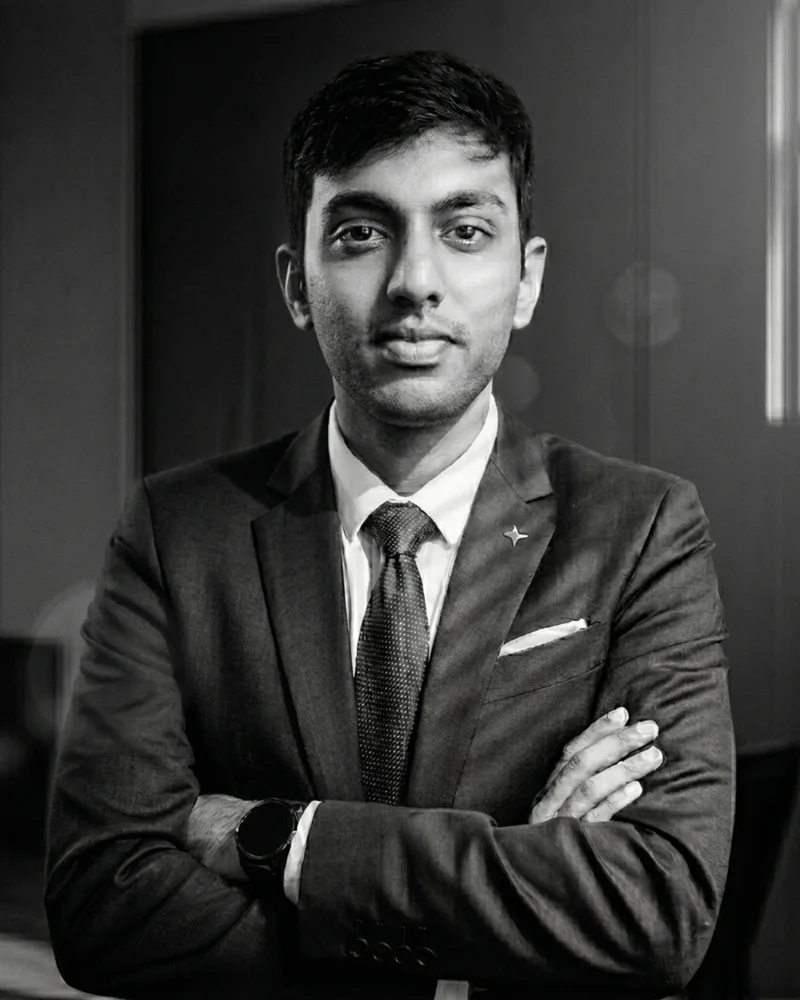
Arun AG
Founder, Brainvare
Arun AG is the founder of Brainvare, an AI-first creative studio based in Kochi, Kerala.
Ready to Transform Your Marketing with AI?
Let Brainvare's AI-first team build marketing systems that deliver measurable results. Book a free strategy call today.
Get Started